


Transform Your Home with Exterior Home Cladding

When I first considered upgrading my home’s look, I knew I wanted something that would last and make a statement. Exterior home cladding quickly became the answer. It’s more than just a facelift for your property. It’s protection, style, and value all rolled into one.
Let me walk you through why exterior cladding is a game-changer and how you can transform your home with it.
Why Choose Exterior Home Cladding?
Cladding is the outer layer fixed to your home’s walls. It shields your property from the elements and adds a fresh, modern look. But it’s not just about appearances. Here’s why cladding is worth considering:
Durability: Cladding materials like timber, vinyl, or composite resist weather damage. They protect your walls from rain, wind, and sun.
Insulation: Many cladding options improve your home’s insulation. This means lower energy bills and a cosier living space.
Low Maintenance: Unlike traditional brick or render, cladding often requires less upkeep. A quick wash or occasional treatment keeps it looking new.
Increased Value: A well-clad home stands out in the market. It can boost your property’s resale value.
Aesthetic Variety: From sleek modern panels to rustic timber, cladding offers endless design possibilities.
I found that cladding gave my home a fresh identity without the hassle of a full rebuild. It’s a smart investment for any homeowner.

Choosing the Right Exterior Home Cladding for Your Property
Picking the right cladding depends on your home’s style, budget, and local climate. Here’s a quick guide to help you decide:
Timber Cladding
Timber offers a warm, natural look. It’s perfect for traditional or country-style homes. Choose treated wood for durability. Cedar and larch are popular choices. They age beautifully and can be painted or stained.
Vinyl Cladding
Vinyl is budget-friendly and low maintenance. It comes in many colours and styles. It’s resistant to rot and insects but can fade over time. Ideal for those wanting a quick, cost-effective upgrade.
Composite Cladding
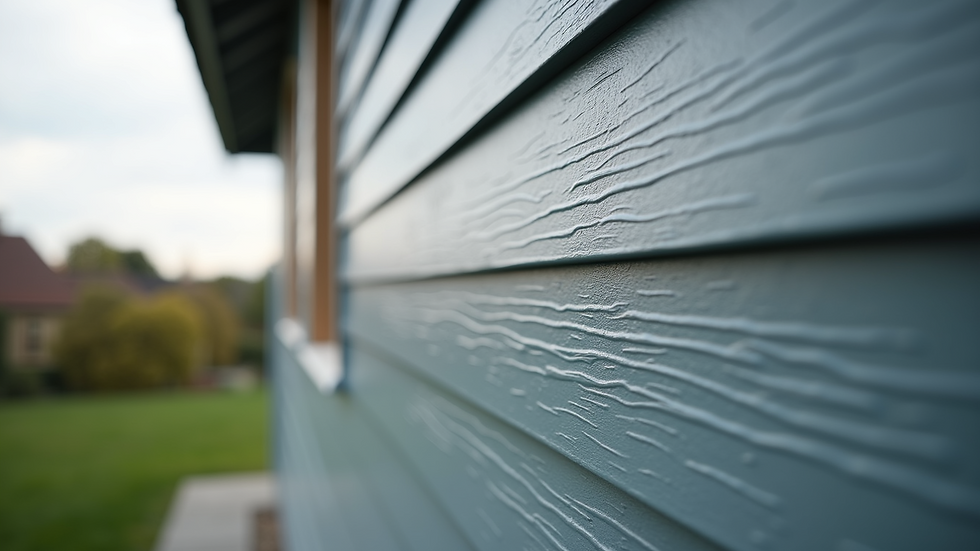
Composite blends wood fibres and plastic. It’s strong, weather-resistant, and eco-friendly. Composite cladding mimics timber but lasts longer and needs less care.
Metal Cladding
Metal cladding, like aluminium or steel, suits modern homes. It’s sleek, durable, and fire-resistant. Metal can be powder-coated in various colours for a bold statement.
Brick and Stone Veneer
For a classic, sturdy look, brick or stone veneer cladding works well. It adds texture and character but can be pricier and heavier to install.
When I was choosing, I considered the North Norfolk weather. Coastal winds and dampness meant I needed something tough and moisture-resistant. That’s why I leaned towards composite cladding.
How Exterior Cladding Enhances Your Home’s Performance
Cladding isn’t just skin deep. It plays a vital role in your home’s performance. Here’s how:
Weather Protection: Cladding acts as a barrier against rain, wind, and UV rays. It prevents water ingress that can cause damp and mould.
Thermal Efficiency: Many cladding systems include insulation layers. This keeps your home warmer in winter and cooler in summer.
Sound Insulation: Cladding can reduce outside noise, making your home more peaceful.
Structural Protection: It shields your walls from cracks and damage caused by temperature changes.
I noticed a real difference in my home’s comfort after installing cladding. The rooms stayed warmer, and I heard less street noise. Plus, I felt confident my walls were better protected.
Practical Tips for Installing Exterior Cladding
If you’re thinking about cladding your home, here are some practical tips to keep in mind:
Hire Experienced Professionals
Cladding installation requires skill. Poor fitting can lead to water damage or poor insulation. I recommend finding a trusted local builder with a strong reputation.
Check Planning Permissions
Some areas require planning permission for cladding, especially if your home is listed or in a conservation area. Always check with your local council.
Consider Maintenance Needs
Different materials need different care. Timber may need annual treatment, while vinyl just needs washing. Choose what fits your lifestyle.
Think About Ventilation
Proper ventilation behind cladding prevents moisture build-up. Make sure your installer follows best practices.
Budget Wisely
Factor in materials, installation, and any extra insulation. Cladding is an investment, but it pays off in the long run.
Match Your Home’s Style
Cladding should complement your home’s architecture. Look at local homes for inspiration or consult a designer.
When I worked with S1 Builders Norfolk, they guided me through every step. Their expertise made the process smooth and stress-free.
Where to Find Quality External Cladding Services
Finding the right team to install your cladding is crucial. You want builders who understand local conditions and deliver quality work. For those in North Norfolk, I highly recommend checking out external cladding heacham for expert service.
They offer:
Tailored advice on cladding materials
Skilled installation with attention to detail
Reliable timelines and clear communication
Competitive pricing without cutting corners
Choosing local experts means they know the climate challenges and building regulations specific to the area. It’s peace of mind that your home is in good hands.
Making Your Home Stand Out with Exterior Cladding
Cladding is a fantastic way to refresh your home’s look and boost its value. Whether you want a sleek modern finish or a cosy rustic feel, there’s a cladding option for you.
Here’s how to make the most of your cladding project:
Combine Materials: Mix timber with stone or metal for a unique look.
Add Lighting: Highlight your cladding with outdoor lights for evening charm.
Landscaping: Complement your new exterior with plants and pathways.
Colour Choices: Don’t be afraid to pick bold or contrasting colours.
I found that small details made a big difference. My home went from plain to eye-catching, and neighbours often ask about the transformation.
Exterior home cladding is more than a trend. It’s a smart, stylish upgrade that protects your investment and enhances your daily living.
Ready to transform your home? Start exploring your cladding options today. Your home deserves it.


Comments